Panels That Produce Full Rated Output
Solar Panel Cleaning in pueblo for systems losing efficiency due to dust and debris accumulation
A thin layer of dust reduces solar panel output by blocking photons from reaching photovoltaic cells, and Colorado's high UV index combined with frequent wind means panels collect airborne particles faster than in humid climates where rain provides natural rinsing. Peak Exterior Services uses pure water cleaning methods that remove debris without leaving mineral residue or chemical films that can damage panel coatings and void manufacturer warranties. You notice the efficiency drop most clearly during summer months when energy production should peak but instead plateaus below system ratings.
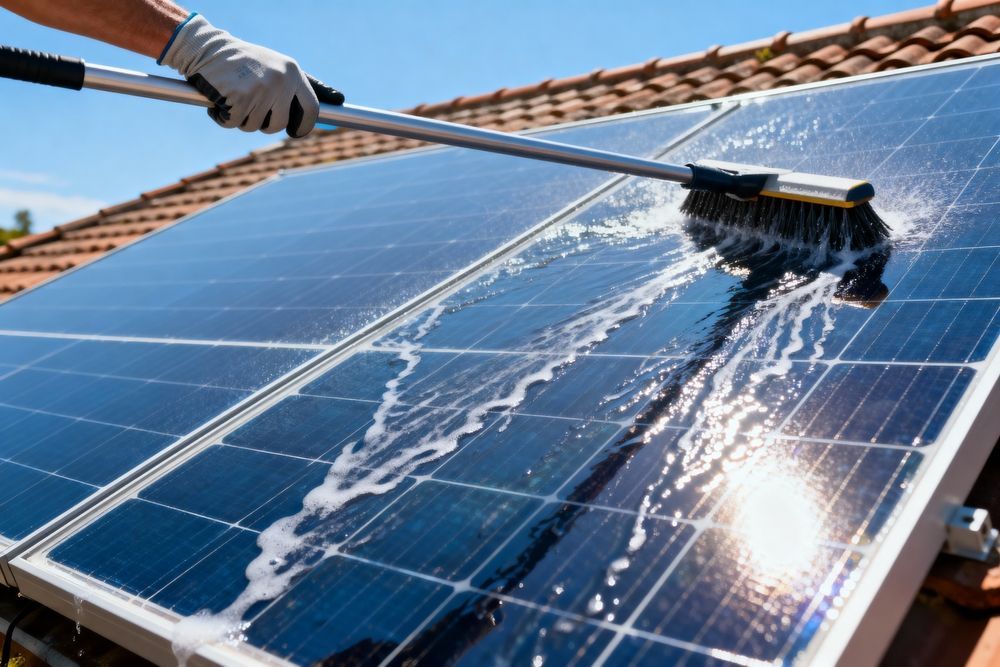
Pure water systems deionize tap water to remove minerals that would otherwise dry on panel surfaces and create new obstructions. This approach protects the anti-reflective coating applied during manufacturing, which standard tap water or soap-based cleaners gradually degrade. Specialized equipment allows safe access to roof-mounted arrays without walking on panels or stressing mounting hardware.
Arrange a system evaluation to measure your current output against expected performance and identify the cleaning interval your installation requires.
How Clean Panels Perform Differently
Solar panel cleaning follows manufacturer guidelines for approved methods and equipment—using high-pressure washers or abrasive tools voids warranties and creates micro-scratches that accumulate more dirt over time. The process involves gently removing surface debris, rinsing with purified water, and verifying that no residue remains to obstruct light transmission. Panels installed at low angles collect more debris than steeply pitched arrays because gravity doesn't assist with natural runoff during weather events.
After cleaning, your monitoring system shows energy production return to manufacturer specifications, often representing a 15 to 25 percent increase depending on how long debris has been accumulating. Morning production hours show the most dramatic improvement because low-angle sunlight interacts more severely with dust films than midday direct exposure. The financial return becomes measurable immediately through reduced grid dependency and faster payback on your system investment.
Colorado's sunny climate makes solar installations highly productive, but that same environment creates constant exposure to wind-blown dust, pollen during spring months, and occasional ash from regional wildfires. Regular maintenance protects your investment and maintains the energy offset you calculated when sizing the system.
Common Solar Panel Maintenance Questions
System owners in Pueblo typically want to understand cleaning frequency and methods before scheduling service.
What damages solar panels during improper cleaning?
High-pressure washing cracks protective coatings and forces water under panel edges, while abrasive scrubbers create scratches that reduce light transmission and accelerate future dirt accumulation—pure water systems avoid both risks.
How often do panels need cleaning in Southern Colorado?
Most residential systems benefit from cleaning every six months due to persistent wind and dust, though properties near unpaved roads or construction zones may need quarterly service to maintain optimal output.
Why does dust affect panels more than rain cleans them?
Colorado's low humidity means rain evaporates quickly and often leaves mineral deposits rather than rinsing panels clean, while dust particles bond to panel surfaces through static electricity and require mechanical removal.
What production increase can you expect after cleaning?
Systems typically recover 15 to 25 percent of lost output depending on debris thickness and how long accumulation has been occurring, with the exact improvement visible through your monitoring platform within hours of service completion.
How does cleaning protect panel longevity?
Removing debris prevents hot spots caused by uneven shading, protects anti-reflective coatings from chemical degradation, and allows early detection of physical damage or connection issues during the inspection process.
Peak Exterior Services establishes recurring service schedules that align with your system's exposure level and production goals. Contact us to set up maintenance intervals that keep your panels operating at maximum efficiency year-round.