Exterior Cleaning Without Surface Damage Risk
Soft Washing in pueblo for siding, stucco, and roofing materials affected by algae and organic buildup
Vinyl siding, stucco, wood fencing, and composite materials develop dark streaks and discoloration from algae, mildew, and mold that grow in shaded areas and on surfaces exposed to sprinkler overspray. High-pressure washing can crack siding, strip paint, force water behind protective barriers, or damage the surface texture of stucco and softer materials. Soft washing applies cleaning solutions at low pressure to kill organic growth at the root level and rinse away residue without mechanical force that risks surface damage. Peak Exterior Services uses this method throughout Pueblo to address exterior staining on materials that can't tolerate traditional power washing, providing long-lasting results because the treatment prevents regrowth rather than just removing visible surface staining.
The process involves applying treatment solutions that break down organic material, allowing dwell time for the chemistry to work, then rinsing thoroughly to remove dead growth and residue. This approach proves more effective than pressure alone because it addresses the root structure of algae and mildew rather than temporarily blasting away surface growth that returns within months. Seasonal moisture from sprinklers and shade patterns create ideal conditions for organic buildup even in Colorado's dry climate.
Schedule a consultation to assess which exterior surfaces need cleaning and determine the treatment approach that protects your materials while removing buildup.
How Low-Pressure Treatment Works Long-Term
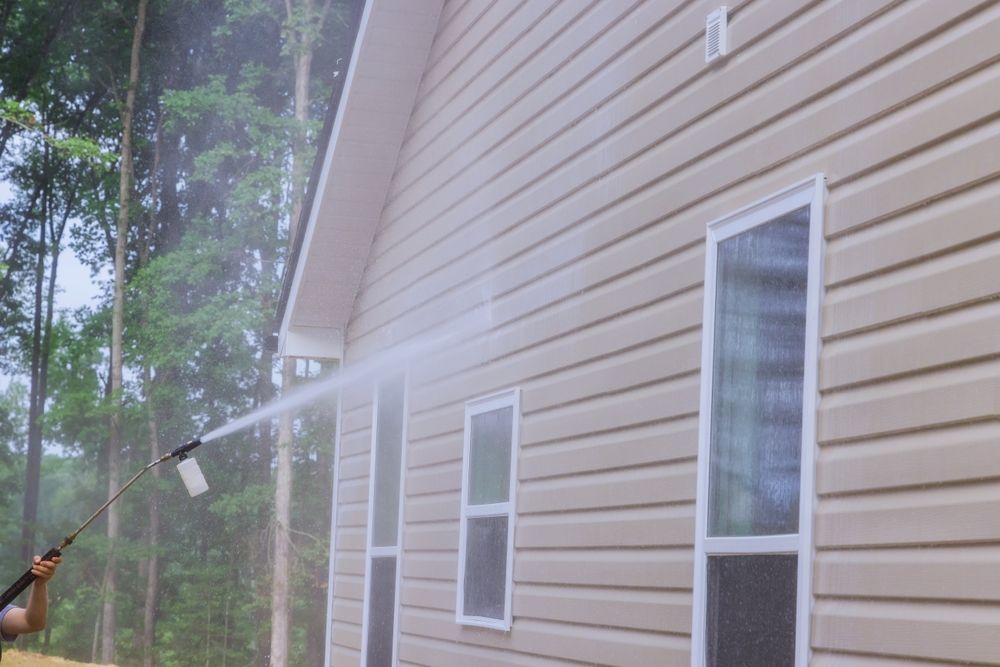
Soft washing treats the biological cause of staining rather than masking symptoms through surface scrubbing, which means results last significantly longer than mechanical cleaning alone. The cleaning agents used target algae, mildew, mold, and lichen without harming plants when proper dilution and rinsing procedures are followed. Treatment proves particularly effective on north-facing walls, under eaves, and around downspouts where moisture lingers and sunlight exposure remains limited throughout the day.
You see the full effect within days as dead organic material weathers away naturally, leaving surfaces uniformly clean without the streaky patterns that result from uneven pressure washing. Siding color returns to its original shade once black and green staining disappears, and textured surfaces like stucco regain their detailed appearance when growth no longer fills the surface irregularities. Painted surfaces look brighter and fences appear newer when the grimy film that gradually darkens finishes over time gets removed without stripping the underlying coating.
Soft washing complements power washing rather than replacing it—hard surfaces like concrete benefit from high pressure, while vertical and delicate materials require gentler methods. Many properties need both services to address different surface types appropriately, with treatment scheduled based on individual exposure and material requirements.
Questions Homeowners Ask Before Soft Washing
Property owners want to understand the process and how it differs from pressure washing before scheduling service.
What materials benefit from soft washing instead of power washing?
Vinyl and aluminum siding, painted surfaces, stucco, wood fencing, composite decking, and any roofing material outside of concrete tile all require low-pressure treatment to avoid damage from mechanical force.
How does soft washing remove organic growth more effectively?
Treatment solutions kill algae, mildew, and mold at the root level rather than temporarily removing surface growth through pressure, which means staining stays gone longer and surfaces don't require cleaning as frequently.
When should soft washing be scheduled for best results?
Late spring and early summer work well because organic growth becomes most visible after winter moisture and warming temperatures accelerate biological activity, and treating surfaces before peak growing season prevents further spread.
What causes black streaks on siding and roofing in Pueblo?
Algae and mildew thrive in shaded areas and spots with consistent moisture from sprinkler overspray or inadequate drainage, creating dark discoloration that worsens over time as colonies expand across larger surface areas.
How long do soft washing results last compared to pressure washing?
Treated surfaces typically remain clean for two to three years because the biological growth is killed rather than just removed, while pressure washing alone often shows regrowth within six to twelve months on materials prone to organic buildup.
Peak Exterior Services evaluates your exterior materials and recommends appropriate cleaning methods that balance effectiveness with surface protection. Set up your consultation to address staining issues and create a maintenance plan that keeps your property looking well-maintained without risking material damage.